
Attending a funeral > Funeral etiquette
Funeral etiquette
Attending a funeral is unlike attending any other event in life. It’s a potentially traumatic time for the bereaved family, so guests are expected to do all they can to be as respectful as possible. This involves following some basic funeral etiquette, which can be applied to most funerals you attend.
How do I know if I should attend a funeral?
Unless you have been asked to play a specific role in the ceremony, it’s unlikely you’ll be directly invited to a funeral.
If you are unsure whether you should attend a funeral, it is best to get in touch with the family or friends organising to check whether they want the funeral attended or not, clear communication in these situations is often valued significantly by the families we look after to avoid any miscommunication. If an invitation is extended to you, families have reported that they appreciate as many people turning up as possible as it shows how well-loved and respected their loved one was.
As of 2026, it was reported that live streaming and virtual attendance was an option utilised by 50% of those who attended funerals, so don’t be disheartened if the funeral is out of your way, we offer options to ensure the day is accessible for you no matter the circumstances.
It is important to note that statistics from 2023 suggest that unattended funerals rose 12% in popularity so ensure you check with your loved ones that attendance is something they want at the funeral
What do I need to take to a funeral?
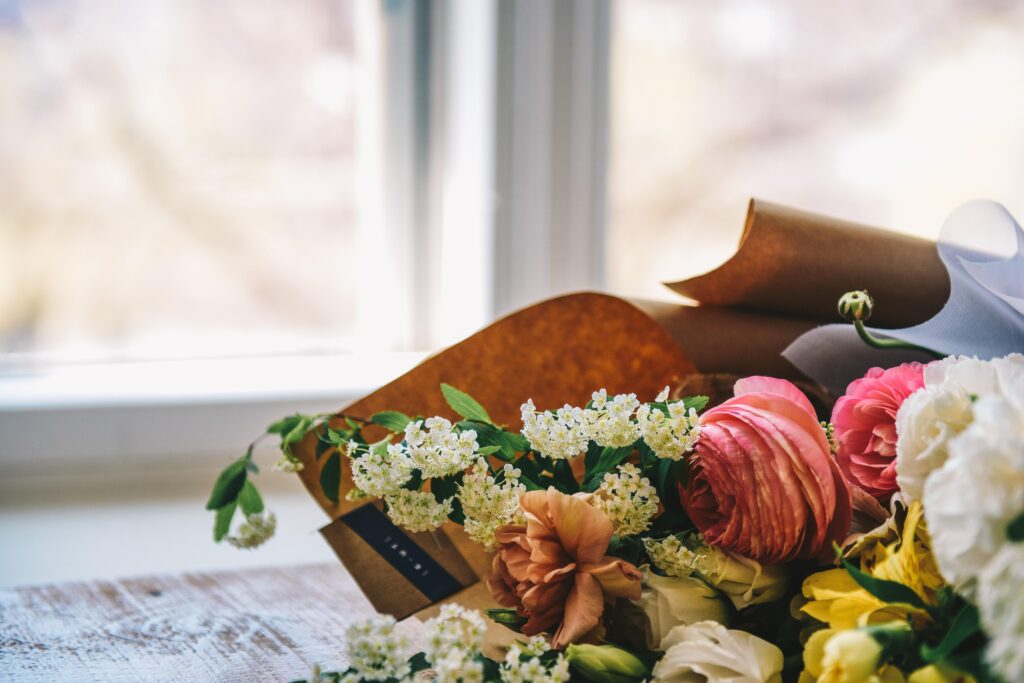
A commonly asked question amongst families is whether flowers should be brought to the funeral itself or given to the family or friends following the event. Close family members are often requested to bring extra things along with you, such as flowers or a wreath to place on the coffin. If you are not a close family member, it is preferred if you instead send sympathy flowers directly to the family, generally, most people don’t bring flowers to the funeral itself.
It’s also a good idea to bring some tissues with you as it can be a very emotional time. Similarly, if you wear makeup, you might want to have some in your bag just in case it smears after crying. You should also take some weather-appropriate accessories – for instance, bring an umbrella if rain is forecast.
Checklist for what to bring to a funeral:
- Tissues
- A sympathy card for the family
- Sunglasses or an umbrella (make sure you check the weather forecast!)
- Flowers (where appropriate)
- A charity donation for the collection at the end of the service; this tends to be for a chosen charity
- If there is a wake with catering after the service, you can offer to bring a dish
Should I bring children to a funeral?
In our experience, this question can depend on many things, the wishes of the family, the age of the child, their personality and relationship to the person that has died. Crucially, unless the family has expressed a preference either way, there really is no right or wrong answer. Many families do choose to leave their children at home, wanting to shield them from what is a sensitive situation. In our guide we explore the reasons why for many children, attending a funeral can be an important part of the grieving process, helping them to process their grief.
Where do I sit during the service?
The families we work with most often hold their funerals in a place of worship or hall; these venues tend to be set up in a similar way. Usually, immediate family and very close friends sit in the first few rows, so if this isn’t you make sure you, leave those seats free. After that, the remaining seats fill up without any strict order. In larger venues, we’d generally encourage guests to fill seats from the front, which helps the family feel surrounded by those who cared for their loved one.
Do I have to say anything at a funeral?
It can feel uncomfortable knowing what to say and you may be scared of saying the wrong thing. It is always appropriate and appreciated, to share your sympathy. Make sure you don’t make light of the situation, no matter how awkward you may feel. If you do need help in knowing what to say, here are some expressions that the family may appreciate:
- Share a fond memory or story
- Offer to help the family in any way they need
- Let them know they are in your thoughts
- Thank them for sharing this opportunity to say goodbye to such a special pers
So many people stay silent for fear of saying the wrong thing, but the reality is there really is no right thing to say. The comfort of words over silence often makes all the difference to someone grieving.
What should I wear to a funeral?
Usually, guests are expected to wear something smart; traditionally, black is worn to represent mourning. Men tend to wear dark suits with a shirt, black tie and smart shoes. Women will usually wear a long-length dark dress or suit. Make sure what you wear is comfortable and be prepared for the weather, especially in winter.
Sometimes, the family may request a particular dress code such as bright clothing to celebrate the life of their loved one. Make sure you check in with the family or a close friend to be sure.
Read our guide on what to wear to a funeral.
When should I send flowers?
There is no strict rule on when to send flowers, as they will comfort those in mourning. You could send them directly to the family in advance of the funeral or have them delivered to the funeral home to arrive on time for the day of the funeral. If you don’t manage to arrange flowers before the funeral, don’t panic. It’s still a thoughtful and caring gesture to send flowers afterwards – it will reinforce that you’re still thinking of the family and will help to fill a void when the flurry of activity surrounding the funeral is over.
Do I need to donate to charity at a funeral?
Rather than flowers, some families may prefer to collect charitable donations on behalf of their loved one. The family are likely to set up a donation page online, where you can send some money, accompanied by a brief sympathy message. The amount of money you give doesn’t matter – give whatever you can, and it will be appreciated.
Hopefully, this guide helps you understand how to behave and what to do at a funeral. If you’re still worried, try to remember a couple of key rules: be respectful and sympathetic. You can also always call the funeral director or a member of the family to ask for more information if you need it.
Download our guide here
Here to answer your questions
For further information or guidance please contact your closest funeral director.
Results for: ''
No near funeral directors found
Search by postcode, location or name
View all locations