Choosing between burial and cremation is a personal and emotional decision families face after a death. In many cases, the decision must be made quickly and during a period of bereavement.
Sometimes the person who has died has left clear wishes in a will, funeral plan, or conversation with family members. However, many families are left trying to decide what their loved one would have wanted while also balancing emotional, practical and religious considerations.
This article is designed to help you reach the right decision. We will cover the key differences between burial or cremation, look at factors families should consider when choosing a burial or cremation, and help guide you on how to make the final decision.
What is the difference between a burial and cremation?
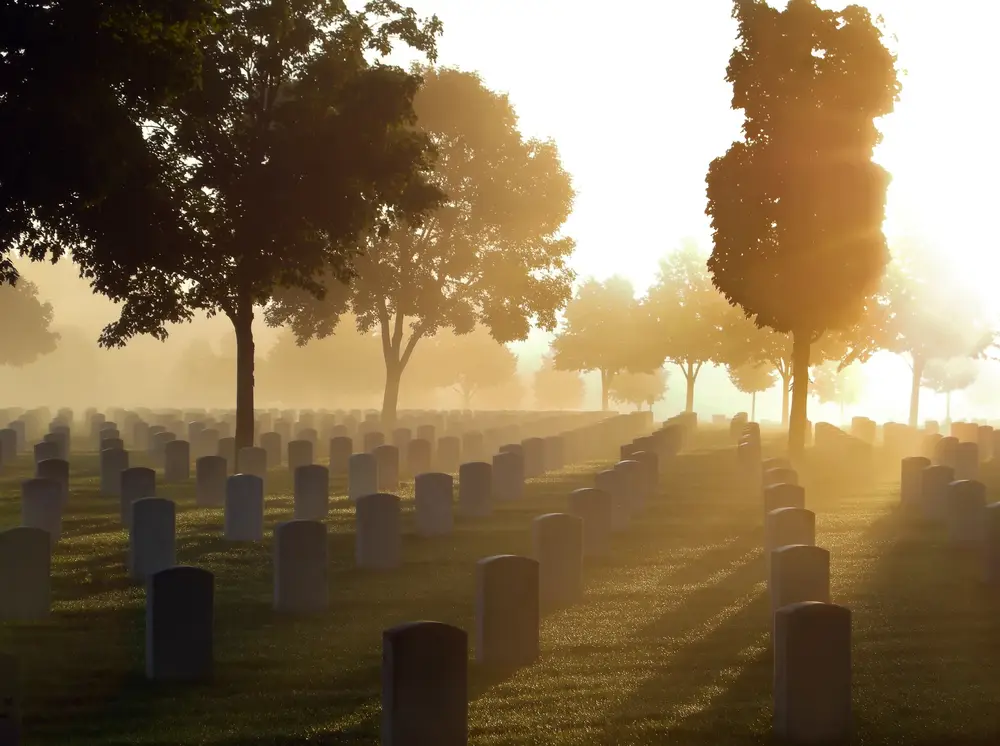
A burial involves placing the body in a grave following a funeral service. Burial may take place in a cemetery, churchyard, natural burial ground, woodland cemetery, or family plot.
Cremation involves respectfully reducing the body to ashes through high-temperature cremation. The ashes (also known as cremated remains) are then returned to the family, who can decide how they would like to memorialise their loved one.
Both burial (depending on where it is carried out) and cremation can include:
- A traditional funeral service
- A religious ceremony
- A celebration of life
- A humanist ceremony
- Memorial gatherings after the funeral
Modern funerals are highly personalised, and there is now more flexibility than ever before in how a funeral is arranged.
Key Considerations When Choosing Between Burial and Cremation
1. The Wishes of the Person Who Has Died
The most important consideration is whether you are aware of any wishes left by the person who has died. These wishes may have been communicated through:
- A prepaid funeral plan
- A will
- Written funeral instructions
- Conversations with family or friends
- Religious or cultural needs
Honouring those wishes can bring comfort to family members and reduce uncertainty during funeral planning.
If no wishes were left, families often find it helpful to think about:
- The strength of the person’s religious beliefs
- Whether they valued having a physical place for remembrance
- Family traditions
- Personality and lifestyle
- Their environmental values
Modern funerals are highly personalised, and there is now more flexibility than ever before in how a funeral is arranged.
"It is increasingly common for people to discuss funeral preferences in advance and for people to hold flexible memorial events separate from the funeral. Choosing a burial or cremation can be tailored to be a part of this. We have over 335 years of experience and are proud of the range of funerals that we arrange.”
Jeremy Field
2. Funeral Service Location and Format
One of the first practical decisions is where and how the funeral service will take place.
Burial Services
With a burial, the funeral often includes:
- A service at a church
- A procession to the cemetery or burial ground
- A graveside committal service
- A wake, reception, or celebration afterwards
The graveside committal is often an important moment for family and friends, providing a formal opportunity to say goodbye.
Cremation Services
With cremation, families can choose the timing and location. When you speak to us, we try and keep it simple although there are a greater number of options such as:
- A full funeral service at the crematorium
- A church or religious service followed by cremation
- A private committal with a separate memorial service later
- A direct cremation without attendees
- A celebration of life held weeks or months afterwards
Many families now prefer flexible memorial events that allow relatives travelling from overseas or distant locations to attend.
3. Financial Considerations when choosing a burial or cremation
Cost remains one of the biggest deciding factors for many families. Funeral expenses can vary significantly depending on:
- Location
- Burial plot fees
- Coffin choice
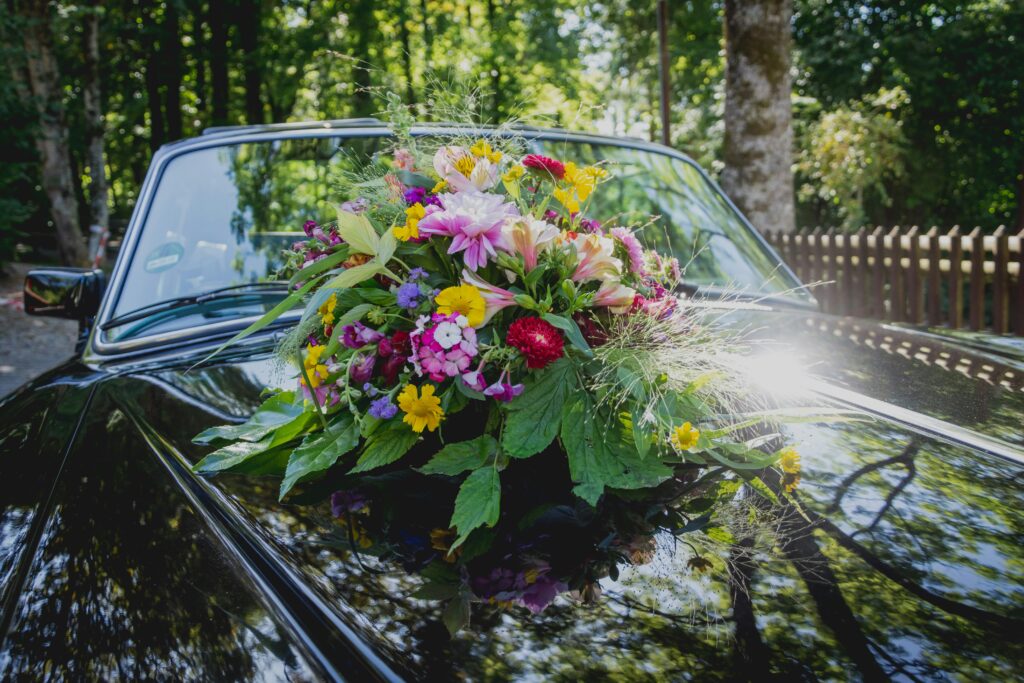
- Flowers and vehicles
- Memorials and headstones
Burials are generally more expensive than cremations because they often include:
- Purchase of a burial plot
- Interment fees
- Grave preparation
- Ongoing cemetery maintenance
- A headstone or memorial
Costs can increase substantially in cities and densely populated areas where burial space is limited.
Traditional cremations are often less expensive than burials because there is no need for a burial plot or headstone. However, costs may still include:
- Crematorium fees
- Funeral service costs
- Coffin choice
- Transportation
- Memorial choices
Direct Cremation Costs
Direct cremation is usually the lowest-cost funeral option. This type of arrangement generally includes:
- Collection and care of the deceased person
- Cremation without attendees
- Return of ashes to the family
There is no traditional funeral ceremony, procession, or service at the crematorium. Families may choose to organise a separate memorial or celebration of life later.
4. Religious Beliefs
Religion often plays a central role in funeral decisions. Certain faiths have clear guidance regarding burial or cremation.
Christianity
Many Christian denominations permit both burial and cremation. Historically, the Catholic Church prohibited cremation, but it is now widely accepted provided ashes are treated respectfully.
Some Christian traditions prefer burial due to beliefs surrounding bodily resurrection.
Islam
Islam traditionally requires burial. Muslim funerals generally take place as soon as possible after death, and cremation is forbidden.
Judaism
Traditional Jewish law generally requires burial and discourages cremation. However, some Reform Jewish communities may permit cremation.
Hinduism
Cremation is traditionally preferred in Hinduism because it symbolises the release of the soul from the body.
Sikhism
Sikh funerals commonly involve cremation, although burial is also permitted.
Buddhism
Both burial and cremation are acceptable within Buddhism, though cremation is often chosen.
Families may wish to consult religious leaders, ministers or a professional celebrant when making funeral arrangements.
5. Environment
Both burial and cremation have environmental implications. As environmental awareness has become a major consideration in funeral planning, many people now wish to reduce the ecological impact of their funeral arrangements.
Environmental Impact of Burial
Traditional burial may involve:
- Land use
- Stone memorial production
- Non-biodegradable coffin materials
- Embalming chemicals
- Ongoing cemetery maintenance
However, natural and woodland burials provide a more environmentally friendly alternative.
Environmental Impact of Cremation
As cremation requires significant energy and produces carbon emissions, modern crematoriums are increasingly adopting cleaner technologies and emission-reduction systems.
In 2026, eco-friendly funeral options are becoming increasingly popular. You can find out more by reading our guide on woodland burials.
The advantages of a burial or cremation and how to make the final decision
The choice between a burial or cremation funeral choices is not always straightforward. Here are some of the advantages of each to help you make the final choice.
Burial advantages are often found in the comfort it provides, due to:
- It offers a permanent physical place to visit
- It is associated with tradition, such as the option to have a traditional headstone
- It provides a sense of family continuity
Others prefer cremation because it can offer you:
- A simpler or cleaner ending
- It can be less formal
- More flexible and more cost effective
- It is less tied to one location
- A chance to scatter ashes in a personal place
If you are unsure what to choose, it may help to ask the following questions:
- Did the person express a preference?
- Are there religious or cultural requirements?
- Is having a physical gravesite important?
- What budget is available?
- How important are environmental considerations?
- Would family members benefit from a traditional service?
- Is flexibility around memorialisation important?
- What option best reflects the person’s values and personality?
There is no pressure to make the “perfect” decision. In fact, modern funeral planning often places an equivalent emphasis on a person’s hobbies or passions, their personal preferences such as music, food, or a location, their life achievements, or their role in their community.
"In terms of trends, we are seeing a rise in younger generations choosing burials, due to a wish to support the environment. Equally personalised celebrations of life are a modern choice. It is a forever evolving picture, and varies by region and demographics. We expect that there will always be a choice between burial or cremation, and so we prioritise that choice, and compassionately arrange funerals that meet family wishes and budget’ ”
Jeremy Field
How CPJ Field Can Help
As a 335-year-old funeral director, we have planned many different funerals from the highest in the land to the smallest gatherings.
Choosing between burial and cremation is deeply personal and can feel overwhelming during a difficult time.
At CPJ Field, we understand that every family’s needs, beliefs, and wishes are unique. Our experienced funeral directors are here to provide compassionate guidance, explain every option clearly, and help you arrange a funeral that truly reflects your loved one. Contact us for more information by searching for your nearest funeral director.